Our Production Process
From Ocean Waste to Premium Nutrition
Transparency, Quality, and Sustainability at Every Step
Transparency You Can Trust
At SeaVentures, we believe in complete transparency. Our production process transforms fish waste into premium animal feeds through a rigorous 6-step system that prioritizes quality, safety, and sustainability.
Every batch of Zuri Feeds is carefully crafted to deliver superior nutrition while supporting coastal communities and protecting our oceans. Here’s exactly how we do it.
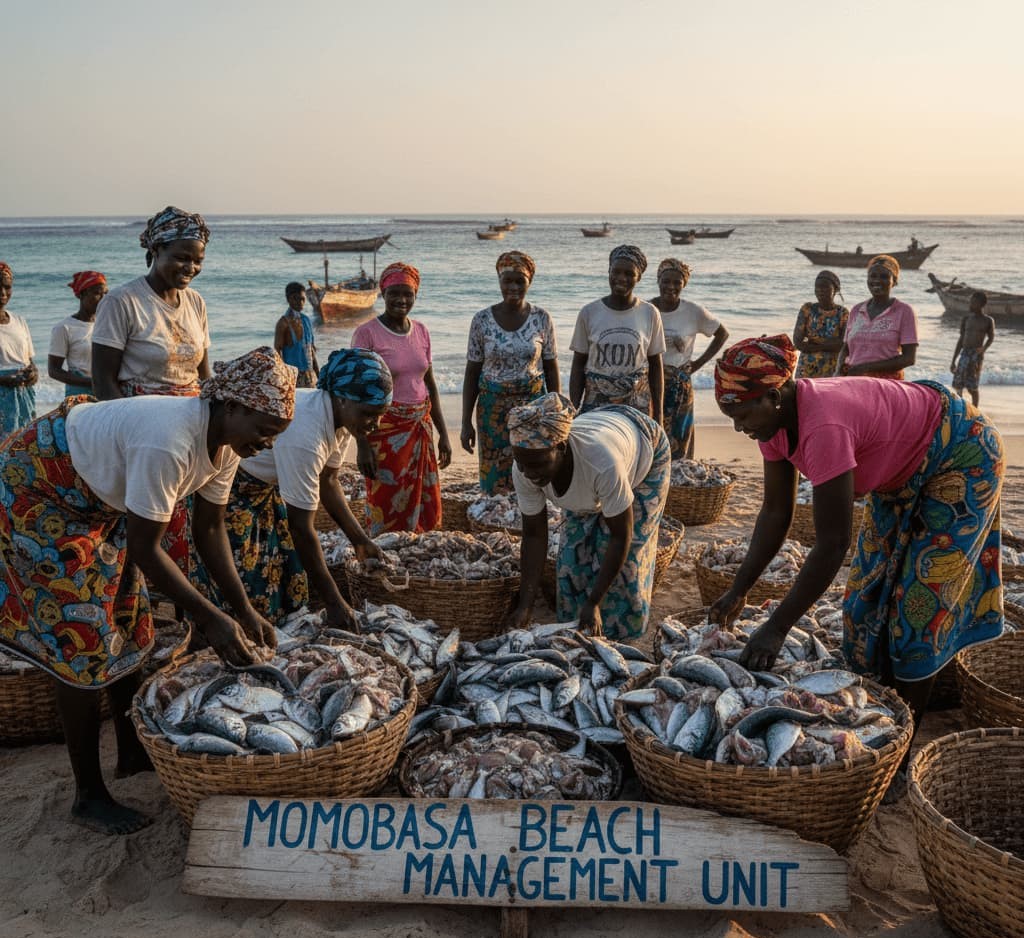
Raw Material Sourcing Sustainable Collection from Coastal Communities
Our journey begins at the source – the Kenyan coastline where fish processing creates valuable by-products.
What We Collect:
We partner with local fishing communities to source fish waste that would otherwise pollute our oceans:
– Fish heads – Rich in protein and nutrients
– Bones and frames – Calcium and mineral sources
– Viscera (internal organs) – High-quality protein
– Trimmings and off-cuts – Processing by-products
– Unmarketable fish – Damaged or spoiled fish unsuitable for human consumption
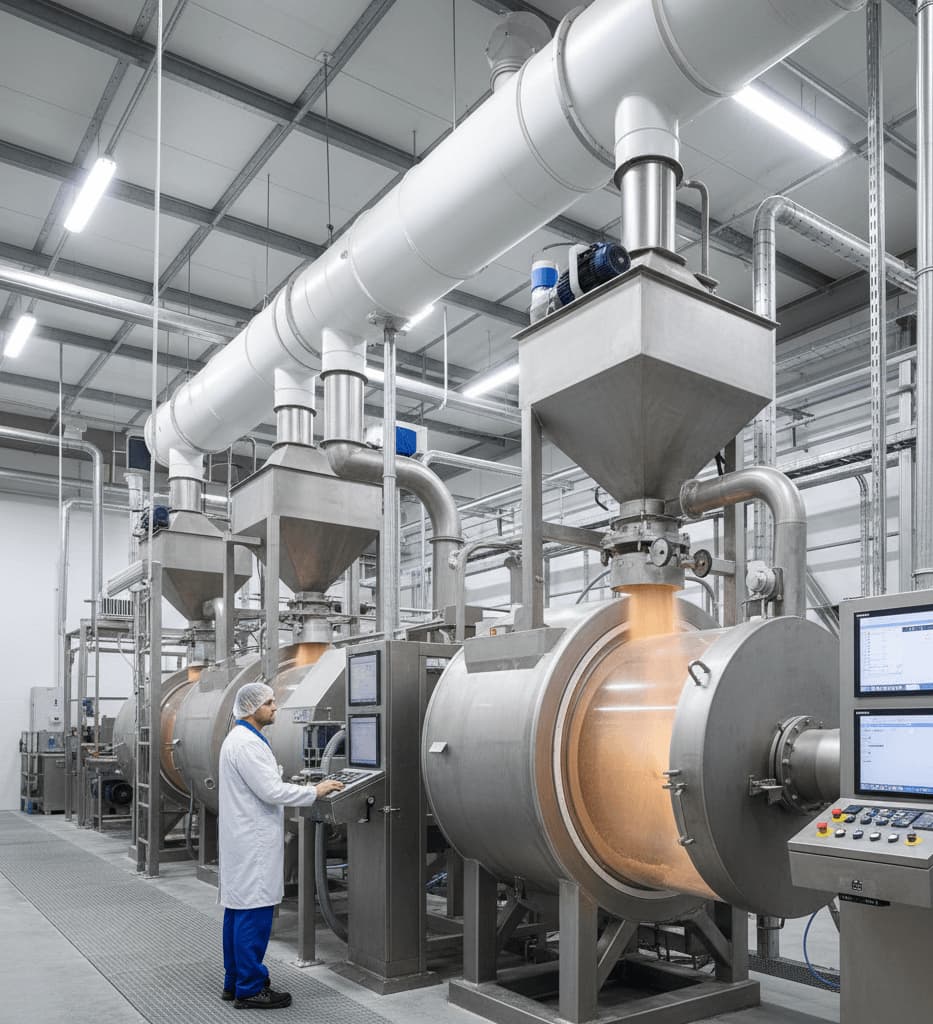
Processing & Transformation From Raw Material to Premium Feed
Arrival at Facility:
Upon delivery to our Mombasa facility, every batch undergoes:
✓ Visual Inspection: Checking freshness, quality, contamination
✓ Temperature Check: Ensuring cold chain maintenance
✓ Weight Recording: Accurate tracking for traceability
✓ Documentation: Recording source, date, supplier information
✓ Batch Coding: Unique identifier for complete traceability
Rejection Criteria:
We reject materials that show:
– Excessive decomposition or spoilage
– Contamination (plastics, chemicals, foreign objects)
– Unusual odors indicating quality issues
– Temperature abuse (improper storage/transport)
Acceptance Rate: 95-98% of delivered material meets our standards
Quality Control & Feed Formulation Science-Backed Nutrition
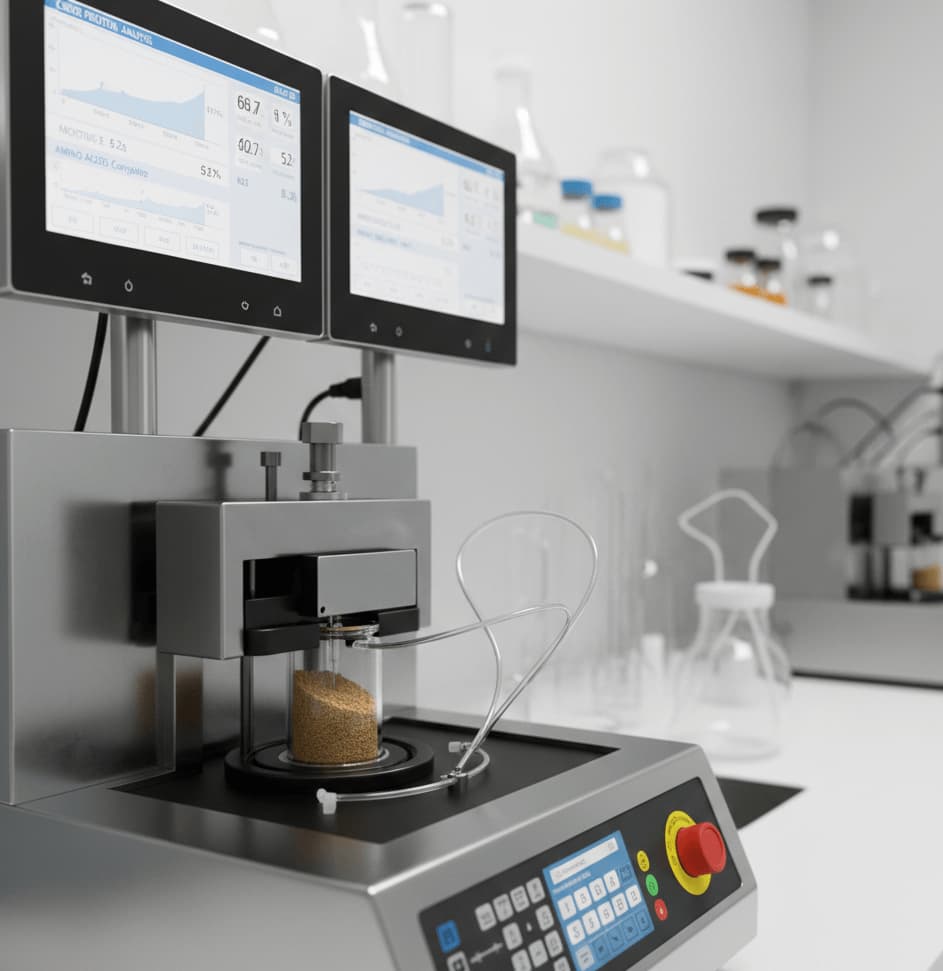
Every Batch Tested:
Before use in feed formulation, fish protein meal undergoes comprehensive laboratory analysis:
Nutritional Analysis:
– Crude Protein Content – Target: 60-70%
– Fat Content – Target: 8-12%
– Moisture Level – Target: <12%
– Ash Content – Mineral composition
– Amino Acid Profile – Essential amino acids quantified
– Digestibility – In vitro testing
– Energy Content – Metabolizable energy calculation
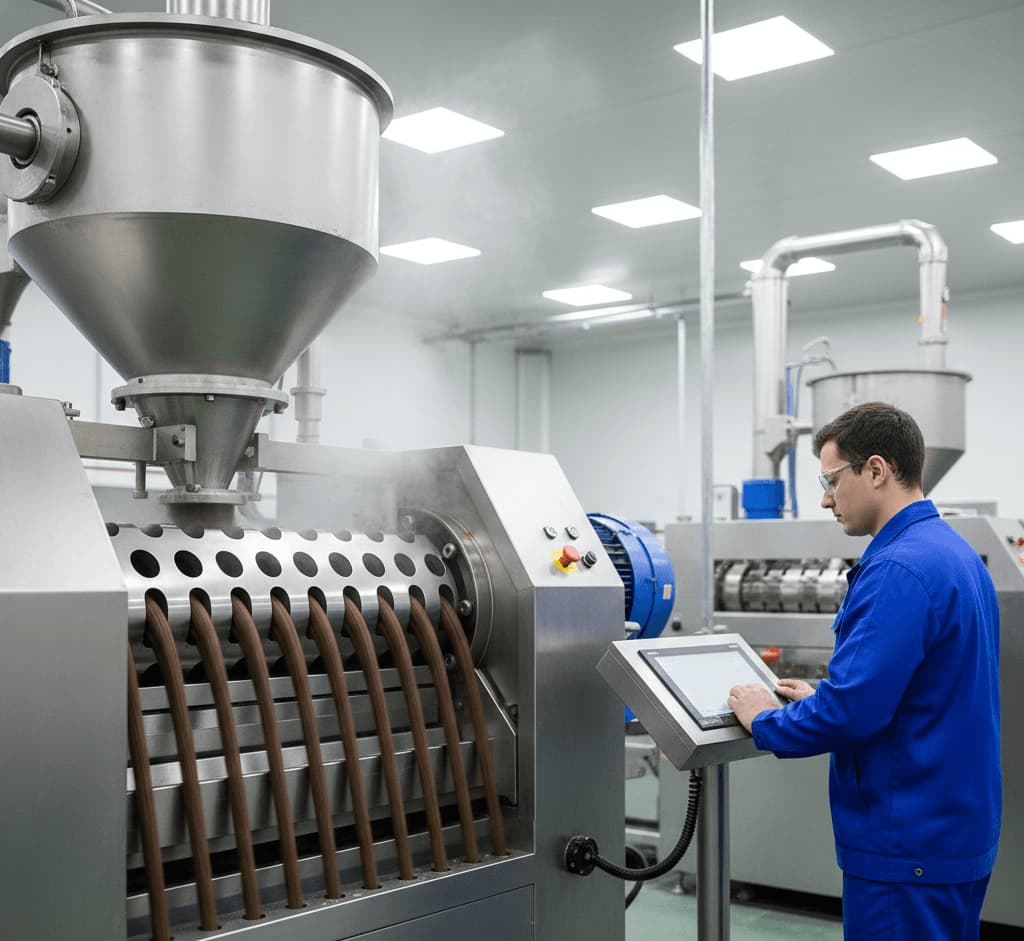
Pelletization, Packaging & Distribution From Factory to Farm
Why Pellets?
Converting mash (mixed feed) into pellets offers multiple benefits:
For Animals:
– Reduced waste – Less spillage during feeding
– Better palatability – Animals prefer pellet form
– Selective feeding prevented – Can’t pick out ingredients
– Improved hygiene – Cleaner, less dust
For Farmers:
– Easier handling – Less messy than mash
– Better storage – More compact, less space
– Improved flow – Easier to use in feeders
– Longer shelf life – Less prone to spoilage
Sustainability at Every Step Circular Economy in Action
Ocean Waste Reduction:
Current Impact:
– 10+ tonnes/month fish waste diverted from ocean dumping
– 60-70% of fish waste converted to value (industry average: <10%)
– 120+ tonnes/year prevented from polluting coastline
Scaling Goals:
– 2026: 20 tonnes/month
– 2027: 50 tonnes/month
– 2030: 100+ tonnes/month
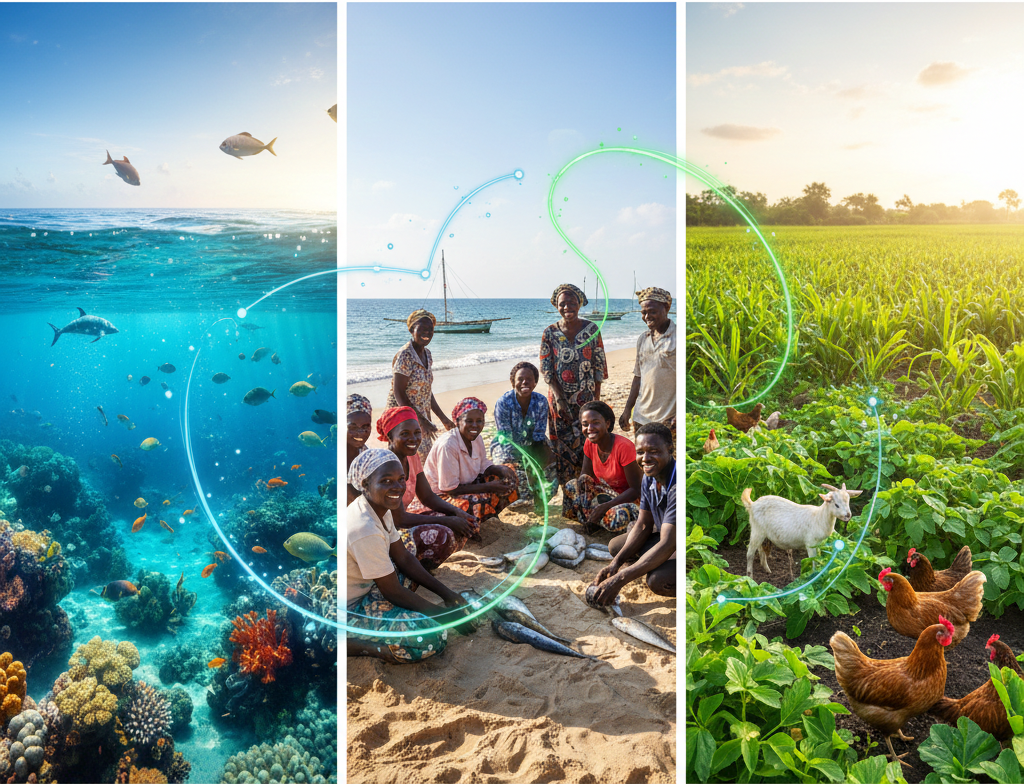
See Our Process in Action
Transparency is our commitment. We welcome farmers, partners, investors,
and curious minds to visit our Mombasa facility and see firsthand how
we transform fish waste into premium nutrition.