Introduction
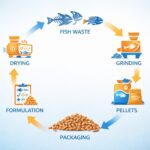
As Kenya’s agricultural sector evolves, farmers are constantly seeking ways to improve animal nutrition while reducing costs. Fish-based protein has emerged as a game-changing solution, offering superior nutritional value compared to traditional feed ingredients. At SeaVentures, we’re pioneering the use of upcycled fish waste to create premium animal feeds that benefit both farmers and the environment.
What Makes Fish Protein Special?
Fish protein is considered one of the highest-quality protein sources available for animal nutrition. Here’s why:
1. Complete Amino Acid Profile Unlike plant-based proteins, fish protein contains all essential amino acids in optimal ratios. This means better:
- Muscle development in livestock
- Egg production in poultry
- Growth rates in aquaculture
- Overall animal health
2. High Digestibility Fish protein has a digestibility rate of 85-95%, significantly higher than soybean meal (75-80%) or maize (70-75%). This means:
- Less feed waste
- Better nutrient absorption
- Lower feed conversion ratios
- Reduced environmental impact from animal waste
3. Rich in Omega-3 Fatty Acids Fish-based feeds naturally contain EPA and DHA omega-3 fatty acids, which:
- Improve immune function
- Enhance meat and egg quality
- Support cardiovascular health in animals
- Create healthier products for human consumption
Benefits for Different Animals
Poultry:
- Improved egg production (up to 15% increase)
- Better shell quality
- Enhanced meat flavor
- Stronger immune systems
Aquaculture:
- Faster growth rates
- Better feed conversion (1.2:1 vs 1.5:1 with plant proteins)
- Improved fish health
- Natural diet alignment
Pigs:
- Accelerated weight gain
- Better meat quality
- Reduced disease incidence
- Improved reproductive performance
Pets:
- Shinier coats
- Better muscle tone
- Enhanced energy levels
- Improved digestive health
The Sustainability Advantage
Traditional fishmeal production often involves catching fish specifically for feed, putting pressure on marine ecosystems. SeaVentures’ approach is different:
- We use only post-harvest waste (heads, bones, viscera)
- No additional fishing pressure on ocean stocks
- Reduces coastal waste pollution
- Creates circular economy value
This means you get premium nutrition while supporting environmental conservation.
Cost-Effectiveness
While fish-based feeds may have a slightly higher upfront cost, farmers see savings through:
- Reduced total feed consumption (better conversion ratios)
- Lower veterinary costs (healthier animals)
- Higher market prices (superior product quality)
- Faster time to market (improved growth rates)
Our analysis shows farmers can save 15-25% on total production costs while improving output quality.
Quality Standards
At Zuri Feeds, we ensure:
- Laboratory-tested nutrient profiles
- Partnership with KEBS for certification
- Collaboration with research institutions (KALRO, KMFRI)
- Consistent quality across batches
- Safe handling and processing standards
Making the Switch
Transitioning to fish-based protein feeds is straightforward:
- Start Gradually: Mix 20-30% Zuri Feeds with current feed
- Monitor Performance: Track growth rates and feed conversion
- Increase Proportion: Gradually increase to 100% over 2-3 weeks
- Observe Results: Most farmers see improvements within 4 weeks
Conclusion
Fish-based protein represents the future of sustainable, effective animal nutrition in Kenya. By choosing Zuri Feeds, you’re not just improving your farm’s productivity—you’re supporting coastal communities, reducing environmental waste, and contributing to a circular economy.
Ready to experience the difference? Contact SeaVentures today to order your first batch of Zuri Feeds.